
Sustainable hobbies
Our hobbies are part of what makes us who we are. They reflect our interests and values, and can determine with who and where we spend our time. The importance of creative hobbies has become clear during the COVID-19 pandemic as they have ofttimes been a saving grace for mental health and motivation – at least they have been for me.
But, sometimes our hobbies and behaviours can be in conflict with our values and worldview. For example, you might love to shop but also strongly oppose the low wages and poor conditions that garment workers are subject to. So, if you want a sustainable, creative hobby that avoids worker exploitation and unnecessary waste, look no further than upcycling.
What is upcycling?
Upcycling refers to the activity of taking something old and making it new, a philosophy that can be applied to all sorts of items. Clothing upcycling is perhaps the most obvious example. Cutting, sewing, mending, dyeing and restyling old garments into something new, instead of throwing stuff out and buying new things. There are a plethora of benefits to this, not least it being a fun activity that results in the pride of having handmade something.
There are currently enough garments on Earth to clothe the next six generations and this excess of clothing is creating a huge waste problem. The Kantamanto market in Ghana has long been a destination for the Global North’s unwanted clothes. For decades second hand clothing was desirable and provided a viable business for local people.
The rise of fast fashion in the last 15 years has now created unmanageable influxes of clothing, most of which has to be thrown into landfill instead of resold. Fabric is everywhere, lining the streets and endangering public health. But this doesn’t have to happen. Have you got a dress you no longer wear which is in perfect condition? Why not turn it into a top or skirt, a scrunchie or a bag? You could even cut squares and use them as a reusable and sustainable gift wrap.
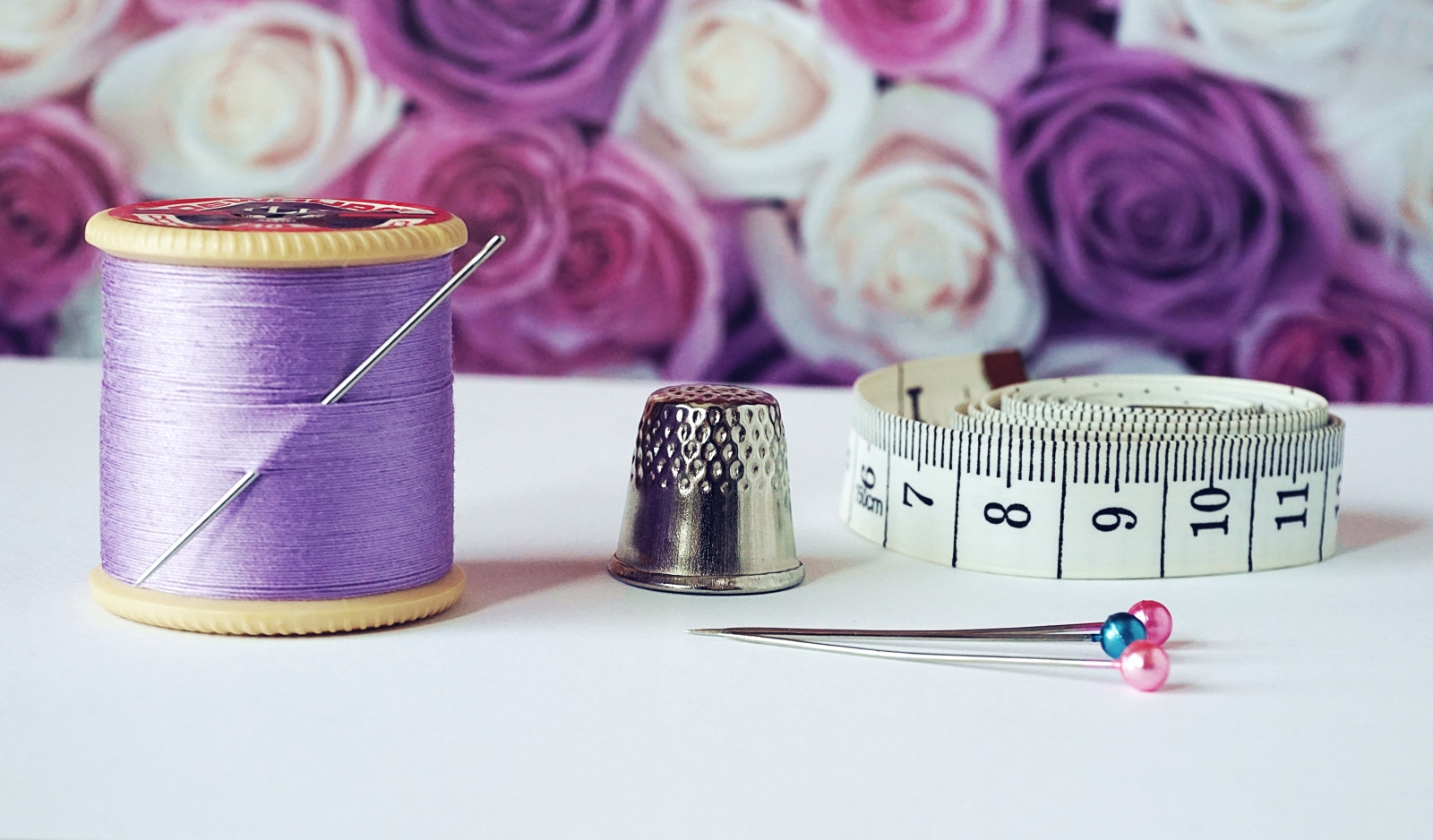
Upcycling is an individual action that helps us to develop circular economies where waste is recycled into inputs that create new products. This is a necessary cultural and industrial transition if we want to create more sustainable societies in the wake of the climate crisis. Upcycling your clothes can also help you keep up with fashions (if you want to), without having to constantly buy new things, or it can help you to develop your own personal style. Even better, upcycling is accessible to anyone, requiring no more than fabric scissors, pins and a needle and thread to get started.
Upcycling ideas beyond the wardrobe
Upcycling is not just limited to clothing, anything can be spruced up including furniture and old electronics. Buying second-hand furniture to do up is much more affordable than buying new furniture even when accounting for any paints, embellishments or tools used. Perhaps the best part is that upcycling furniture is something anyone can do. Of course, a certain level of competency is needed to completely transform, say, a table into a chair. However, things like painting, glueing and attaching new handles is less of an exclusive club. Something as simple as sanding off varnish can transform an old cabinet into a stylish mid-century modern piece.
Upcycling is about the process as well as the result: each creation is different and will have a different story. The chair you just picked up at the local car boot for £10 could have been in a family for generations and is in desperate need of a new lease of life. Furthermore, keeping your hobbies local protects natural resources and saves thousands of tonnes of greenhouse gas emissions produced in the global supply chains of new furniture and clothing.
Not only is upcycling great for the planet and avoiding waste, but it also fosters creativity and individuality. Depending on what you want to upcycle, there are local and online communities for support, advice and inspiration. Upcycling can be as social as you want it to be. Whether you want to save some pennies on gifts, clothing or furniture, want to learn a new skill, or take up a creative hobby, upcycling is the exciting and sustainable answer.
By Freya Wood: I’m Freya, I’m 22. I got into sustainability at uni. I’m also passionate about sustainable consumerism and run an Insta page dedicated to sustainable fashion, veganism and sewing among other things. I’m also a drummer!


0 Comments