
Our planet is facing a climate crisis; CO2 emissions are at an all-time high, sea levels are rising and humans are the main culprit. In 2019 alone over 36.81bn tonnes of CO2 was released into the atmosphere; this number could rise if we don’t make a change.
By being more conscious of your carbon footprint you will make a difference over time. Your relationship with food is a simple place to start (along with signing up for tred’s carbon footprint tracker, of course!) Being mindful of what you consume and what you do with food waste is key to creating change, so we’ve compiled a list of things you can do to save the environment one bite at a time.
1. Adopt a more plant-based diet
Veganism has been touted as the most environmentally friendly diet by the likes of Peta and the Vegetarian Society – and for good reason. Dairy and meat, the cornerstone of the Western diet, fuel global warming during the production process. Livestock produce large quantities of methane that can equal up to 3.1 gigatonnes of CO2 a year and contribute to deforestation.
Large areas of land have to be cleared for livestock farming – a process that contributes enormously to global warming as trees that absorb CO2 are cut down. By adopting a more plant-based diet you’ll place less stress on the farming industry and will no longer be supporting a system that pollutes our planet.
If a full vegan/vegetarian diet isn’t for you, don’t worry – there are still lots of other planet-friendly eating habits you can put in place.
2. Go flexi
There’s nothing wrong with enjoying meat/dairy and you don’t have to cut it out completely if you want to reduce your footprint. Adopt a flexitarian approach (eating more plant-based diet recipes but still occasionally consuming animal products) and you’ll still be able to treat yourself while being mindful of your food choices.
You could join in on Meatless Mondays and swap the steak for a salad or you could schedule in plant-based meals at certain times of the day. Getting involved with your friends in foodie challenges could help inspire and motivate you to stay on track. These challenges could be anything from the best vegan recipe to a week of plant-based eating.
3. Make simple swaps
Reducing your carbon footprint and playing superman doesn’t have to be difficult. It can be as simple as making switches in your daily eating/drinking habits and will help you become more conscious of what you buy and consume.
The next time you’re ordering a coffee, opt for oat/soya/rice milk instead of dairy and use paper straws. When you’re eating out, give meatless options a try – with companies like Beyond Meat you don’t have to compromise on taste! Most restaurants have vegetarian/vegan options available, and with “meatless meat” on the rise you’ll be sure to find burgers, curries and steaks that pack a punch without harming the environment.
4. Support local eateries and markets
The next time you head out to eat, choose a smaller independent restaurant. Even some of our favourite chains are guilty of producing large amounts of greenhouse gases – simply because of food transportation. Suppliers who buy locally sourced, homegrown food produce fewer CO2 emissions than restaurants and shops that buy produce from abroad.
The same goes for your food shop; try avoid supermarkets where possible and opt for local farmers’ markets.
5. Invest in eco-friendly products
It’s not just what you eat that’s important; you also have to be mindful of what it’s packaged in.
How many times have you bought a water bottle because you couldn’t find one at home? Four times, maybe ten? What about plastic straws? It’s so easy to “forget” these small things because they are handed out to us from all corners by shops, cafes and restaurants.
Plastic straws, bottles and bags are all single use plastics – meaning all that packaging will likely end up in landfills or incineration centres. Left to heat in the sun or burn, the plastic will break down, releasing high levels of methane into the atmosphere.
Make a conscious effort to go against this system by investing in eco-friendly food packaging that’s are sustainable for the environment and your wallet. Steel/ceramic water bottles and reusable straws are long-lasting purchases that will stop you from unnecessarily buying packaged plastics.
6. Go green-thumbed
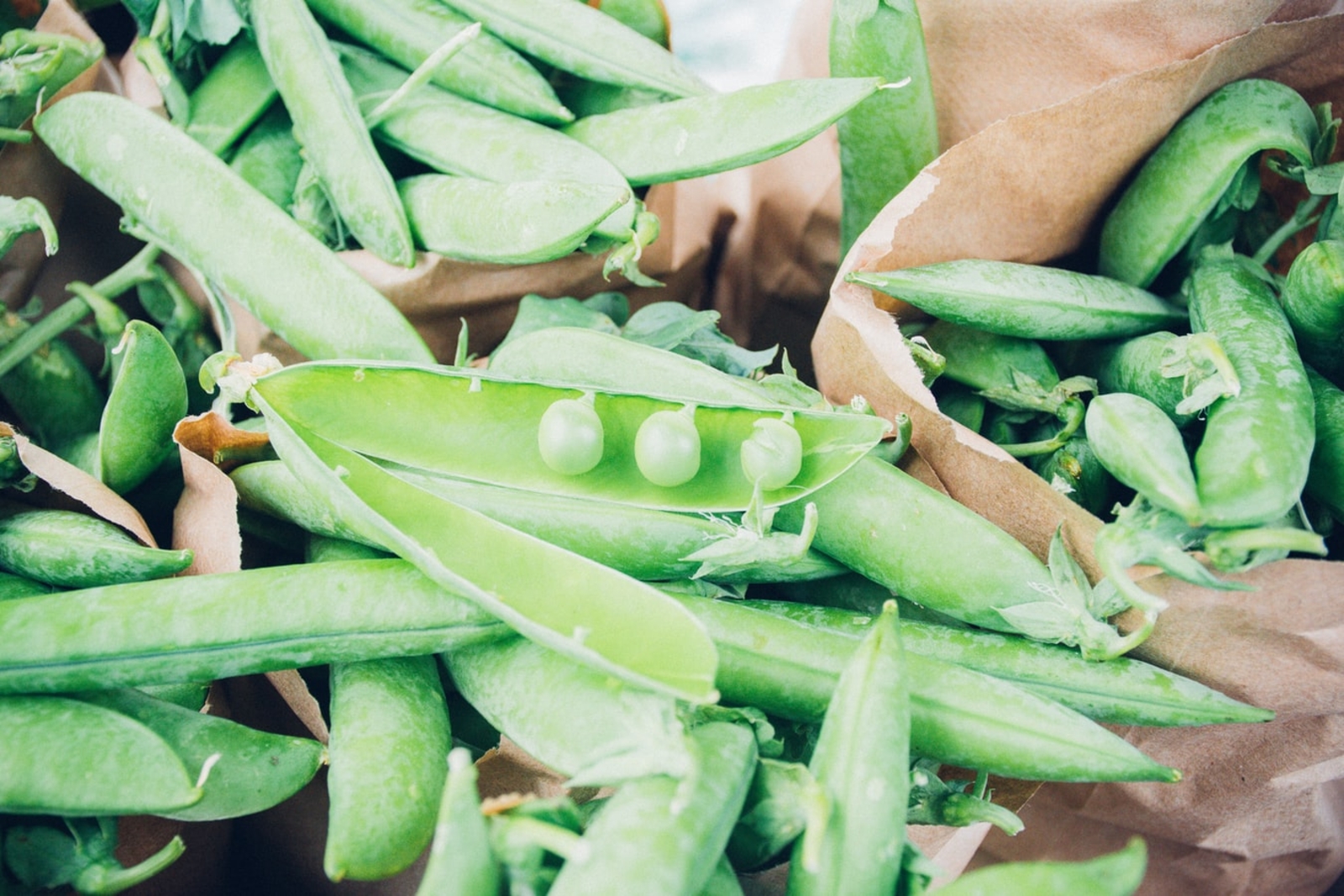
Go green-thumbed and think about setting up your own veggie garden – it could save you trips to the supermarket and benefit the environment. By growing your own veggies you’ll be less dependent on store-bought produce which often comes from commercial farming (a big contributor to global warming). Conventional farming releases a host of pollutants into the air with its chemical fertilisers and global imports – your veggie garden will provide you with fresh, organic produce that is grown naturally.
7. Dispose of waste responsibly
Now the big question; what do you do with your food waste? Do you simply throw it away? We have to remain conscious even when our food has left the plate because it can still impact the environment. Most of the world’s food waste ends up in landfills and once it’s exposed to sunlight it releases methane as it decomposes.
Waste is unavoidable but if we all make a few changes to our habits we’ll be able to place the least amount of stress on the planet as possible. Up to 51% of food waste at landfills could actually be composted; a greener alternative to just tossing it in the bin.
By investing as little as £20 into a home composter you’ll have made a purchase that acts as a great waste prevention tool. What is left over of your waste after the composting process can even be used to fertilise your veggie garden naturally!
8. Don’t bite off more than you can chew
While the challenge might seem overwhelming, building just one or two of these habits into your daily life can help reduce your impact on the environment. And for even more help on how to track, reduce and offset your carbon footprint, the tred app and debit card are great places to start.
By Carolyn McMurray: Carolyn is a South African at heart and in love with words. She is working on building her portfolio across a range of areas as a successful freelance content writer.


0 Comments