
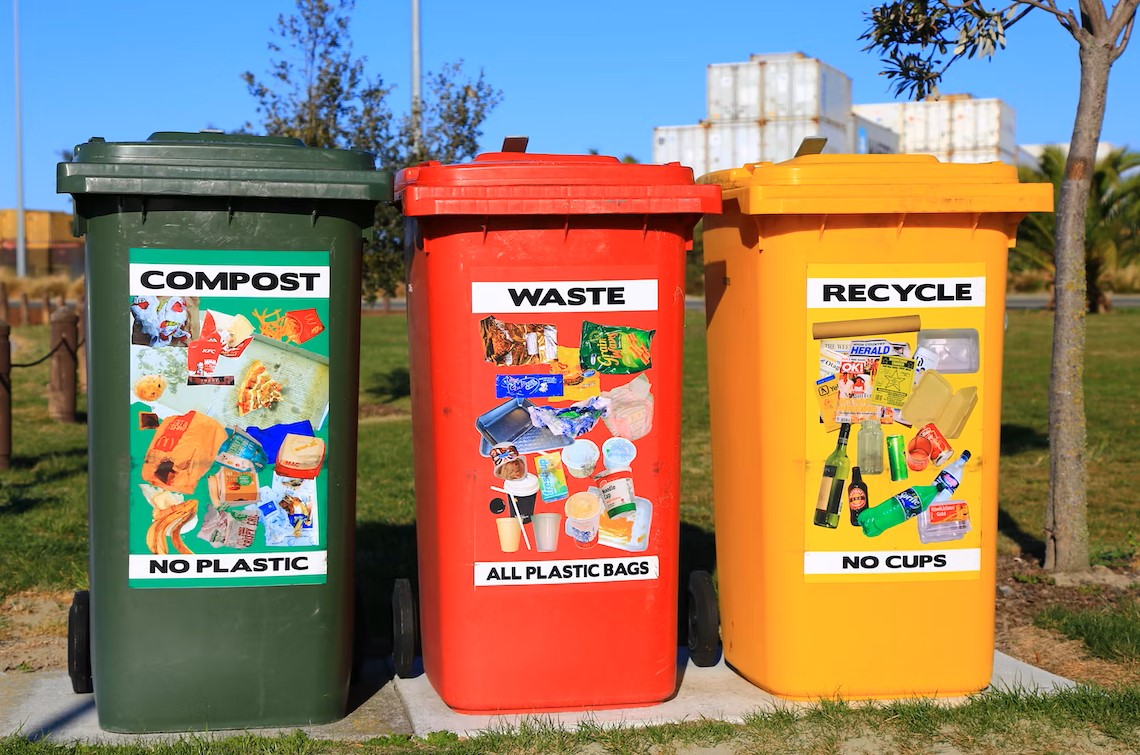
One question that often comes up when we talk about environmental issues is, “what should I focus on, reducing plastic waste or reducing my carbon footprint?”
There’s no simple answer, but both are closely linked and have a significant impact on the environment. Over the past few years, we’ve learnt a lot about what does and doesn’t impact the planet. We’re going to be diving into the detail behind plastics, recycling and why in some cases, plastic actually helps reduce your carbon footprint. 😲
This is our first blog on this topic, but in future posts we’ll be answering questions like:
- Does plastic packaging on your cucumber reduce your footprint?
- Is oat milk packaging better or worse for the planet than standard milk ones?
- Why is recycling so important?
- What are the hidden emissions of your ‘eco’ conditioner?
Make sure you subscribe to our blog so you don’t miss any!
To understand why reducing both goes hand in hand, it’s important to understand the dynamics of the two different forms of pollution.
Carbon Emissions and Fossil Fuels – A global problem
Carbon emissions are the cause of climate change, and they come from burning fossil fuels such as coal, oil, and gas. This releases carbon dioxide (CO2) into the atmosphere, which traps heat and causes the planet to warm. It doesn’t matter where the carbon emission happens, it affects the whole world equally. Less developed countries that emit next to no CO2 suffer the consequences of richer countries’ pollution.
Plastic pollution and carbon footprint
The carbon footprint of plastic comes from 2 key things:
- Production
- End of life (bin or recycling)
Production: Plastic is made from a fossil fuel, oil. Oil is refined to create various products, including petrol, diesel and the plastic we use in our daily lives. Plastic gets used in all sorts of applications because of its useful properties. This production has a carbon footprint like any other material. Plastic’s carbon footprint is higher than certain materials, but by no means the highest either. So it depends what you’d be replacing it with as to whether switching away from plastic is an improvement.
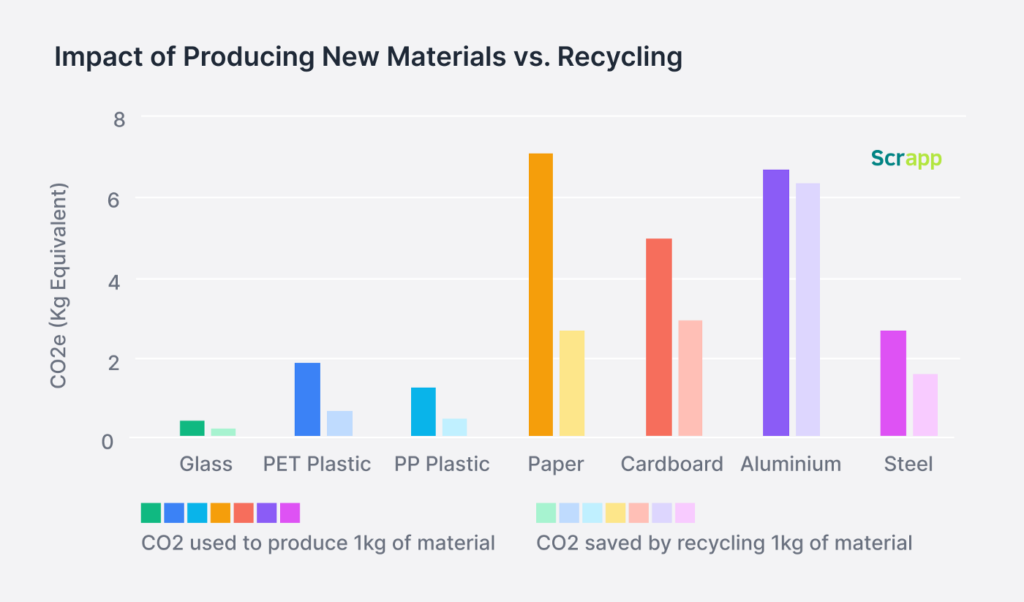
Credit: Scrapp
End of life: Plastic is also a significant contributor to waste pollution. One of the key problems with plastic is that it takes thousands of years to break down, and much of it ends up in landfills or the ocean. But the dynamics of this are different to CO2, which affects the whole world no matter where it’s emitted.
- Driving your car 100 miles, that CO2 affects the whole world.
- Disposing of a plastic bottle, either into the waste bin or the recycling bin, is extremely unlikely to add to the problem of ocean plastic. Unless of course you litter. That’s because the vast majority of ocean plastic comes from places without waste management systems.
But that doesn’t mean throwing away a plastic bottle doesn’t cause pollution. When you throw away your plastic bottle, it might go to landfil, recycling or an incenrator.
Here in Leeds, as in many other places, general waste is sent to an incinerator to generate energy. Waste (including plastic) is burnt in the incinerator and releases carbon dioxide into the atmosphere, just like burning fossil fuels.
This means that plastic ultimately becomes CO2 emissions and contributes to climate change. If it’s in landfill, the problem is similar although the plastic breaks down much more slowly.
Recycling plastic also has a carbon footprint. Lorries have to collect it, it needs to be sorted into different plastic types and finally, it needs to be remade into new items. Remaking it takes lots of energy. Not as much as making it from scratch, but it’s still significant.
Clearly, then, it’s not about reducing plastic Vs reducing CO2, as they eventually amount to the same thing – CO2 in the atmosphere. It’s about understanding the data and making the decision that’ll result in the biggest CO2 reduction.
Get the data – Make Smarter Decisions for the planet
At Tred, we’re committed to helping people make smart decisions when it comes to carbon emissions and sustainability, by putting the data on what really matters at their fingertips. Tred lets you effortlessly track and reduce your carbon footprint and make more informed decisions about your impact on the planet. Seeing the data lets you cut through the noise and make the best choice.
How you spend & save really matters for the planet, and with Tred you can make your money make a difference. Download Tred today to get started.


0 Comments