

Sustainability. It’s an issue at the front of our minds (and here at Tred, the driving force behind everything we do). But sometimes, conversations on the topic can raise more questions than they solve. There’s a lot of complex terminology, something leaving you thinking things like, ‘what is the difference between carbon-neutral and net-zero?’ Keep reading for a breakdown of these terms, and become your friends’ go-to person for all-things climate based.
Net-Zero vs Carbon-Neutral
Whilst similar, there are key differences between the two concepts.
- Carbon-neutral: balancing the amount of carbon released into the atmosphere by absorbing the same amount through other activities. A reduction of the amount of carbon released isn’t needed for a business to qualify as carbon neutral – it must just be offset by the amount removed. In fact, a company could even be considered carbon neutral whilst increasing the amount of carbon it releases.
- Net-zero: Reducing emissions as close to zero as possible, then offsetting the remainder. This concept is focused on the idea of reducing greenhouse gas emissions, rather than simply offsetting them. For example, a business looking to achieve net-zero carbon would reduce its emissions as much as possible, and only offset what can’t be reduced. Net zero also includes all greenhouse gas emissions, rather than just carbon dioxide.
Net-Zero Emissions
You may see references to ‘net-zero carbon emissions’, as well as ‘net-zero emissions’. Net-zero encompasses all greenhouse gases, whereas carbon neutral refers only to the release of CO2. Globally, carbon dioxide makes up over 70% of greenhouse gas emissions. A heat-trapping gas, CO2 is released with the use of fossil fuels. Within the last 200 years, its levels in the atmosphere have also increased by 50%, altering the earth’s climate. CO2 is the biggest driver of global climate change, but other greenhouse gases, such as methane are also important contributors.
Carbon-Neutral
Carbon-neutral isn’t a new concept. In fact, it was the New Oxford American Dictionary’s 2006 Word Of The Year.
One way to become carbon-neutral is by offsetting. This involves funding projects that are reducing global carbon emissions. Using carbon credits, a company can neutralise the carbon dioxide emissions they are causing, by ensuring that the same amount is absorbed elsewhere. For example, a forest is considered a carbon sink – a system that ‘absorbs more carbon than it emits’ – extra trees can be planted in forests to help offset a company’s emissions.
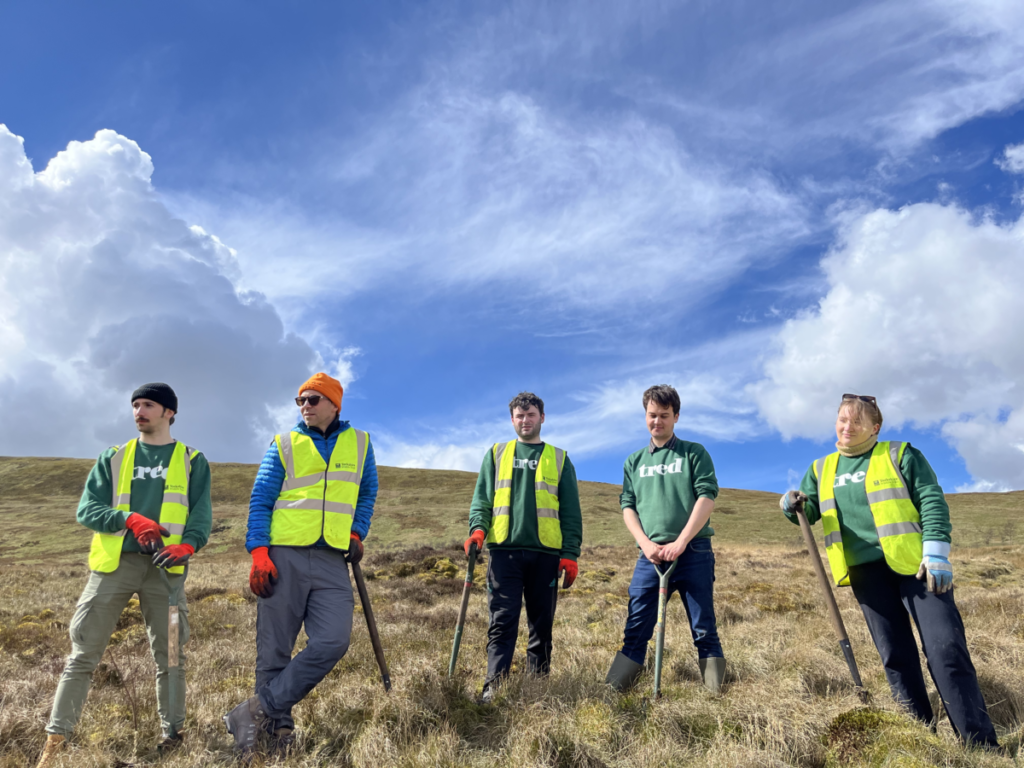
(Side note: take a look at Tred’s tree-planting here to see our team hard at work planting native tree species in Yorkshire.)
Reduce and Offset your carbon footprint with Tred
It’s not just companies who can become net-zero – people can too. And that’s where Tred comes in. When you start using your Tred card, you’ll have a real-time measurement of your carbon footprint, broken down by catoegry.
This information can help you make smarter decisions about how to shrink your footprint, and with Tred’s reduce section you’ll get more tips, ideas and swaps you can make to lower it even further.
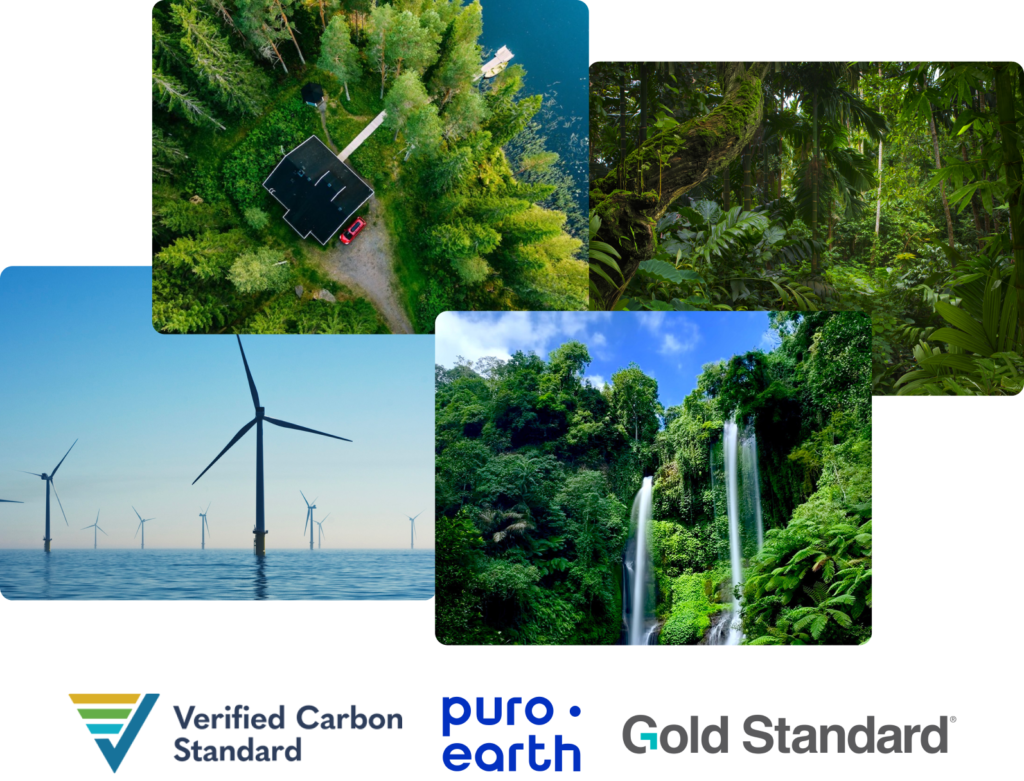
Tred also gives you the option to choose an offsetting plan that balances out your carbon footprint. From reforestation in the Amazon to renewable energy programs, Tred lets you choose from a range of 3rd party verified projects, and makes it easy to control & cap your offset.
Reducing your carbon footprint is an important way to start living sustainably, but our offsetting options allow you to counter what you can’t reduce.
Ready to start reducing and offsetting your impact? Join our waiting list to become one of the first to get a Tred Card. Be the change.



0 Comments